
From Floriade to Evoluon: The Natural Pavilion gets a second life as Ontdekfabriek 2.0
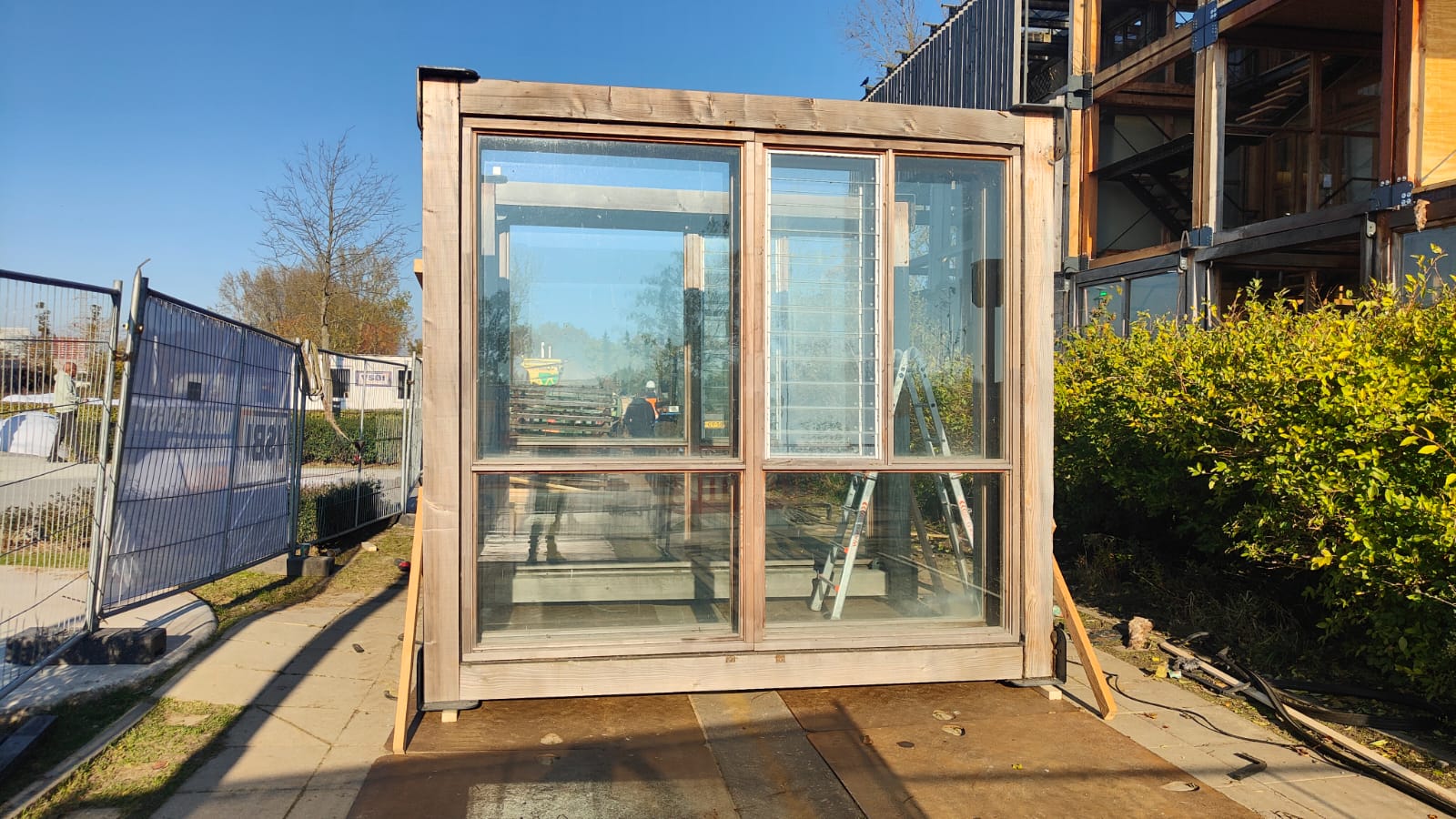
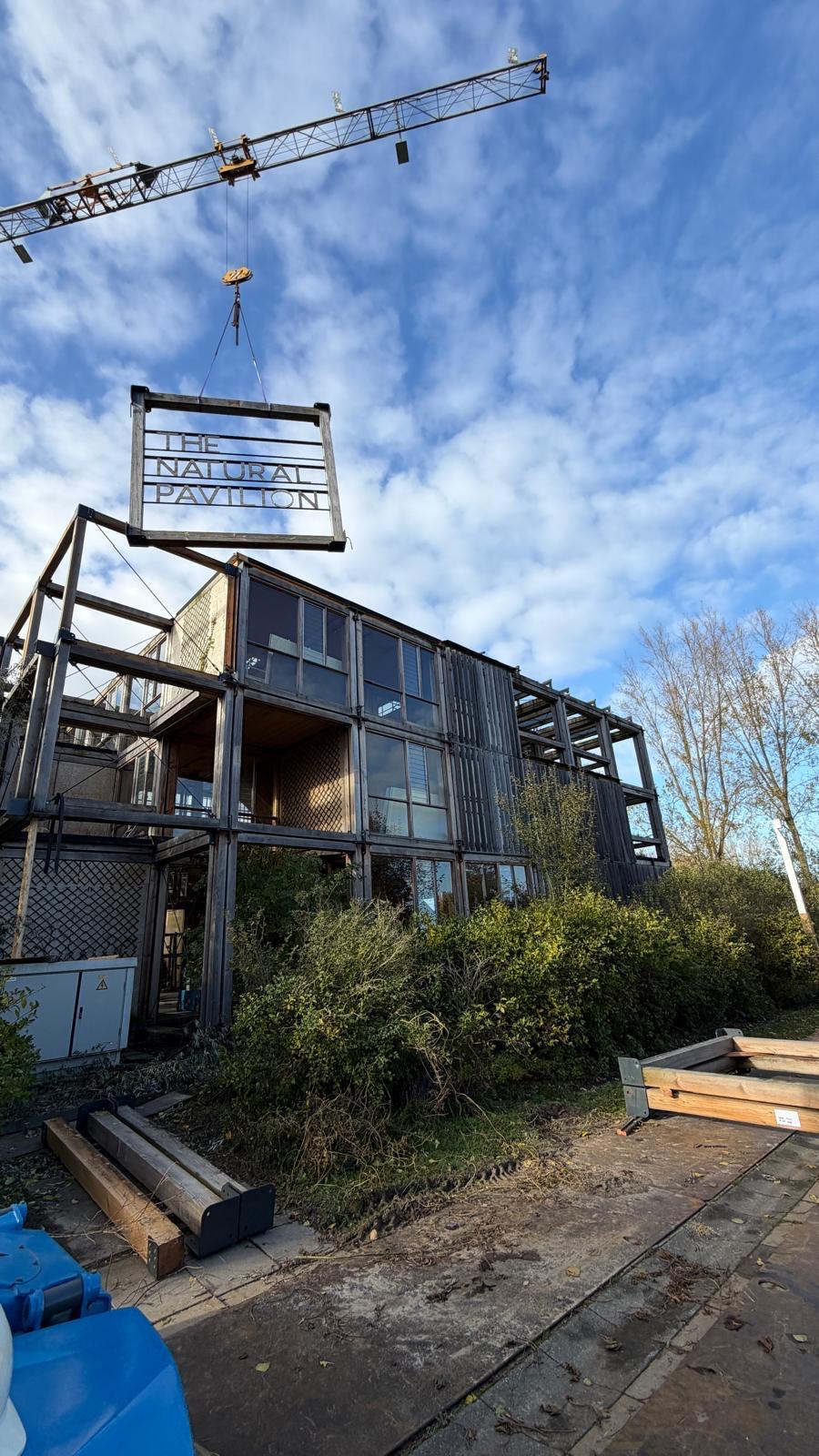
Putting modular construction into practice: The Natural Pavilion shows how it is done. The almost entirely bio-based and demountable pavilion, which Hedgehog collaborated on for the Floriade Expo 2022, is now being relocated from Almere to Eindhoven. On the grounds of the iconic Evoluon, the building will be repurposed as Ontdekfabriek 2.0.
For the construction and property sectors, this project serves as vital proof of concept. It is the first almost completely bio-based building of this scale in the Netherlands to actually be dismantled, transported, and reassembled in a new configuration at a different location.
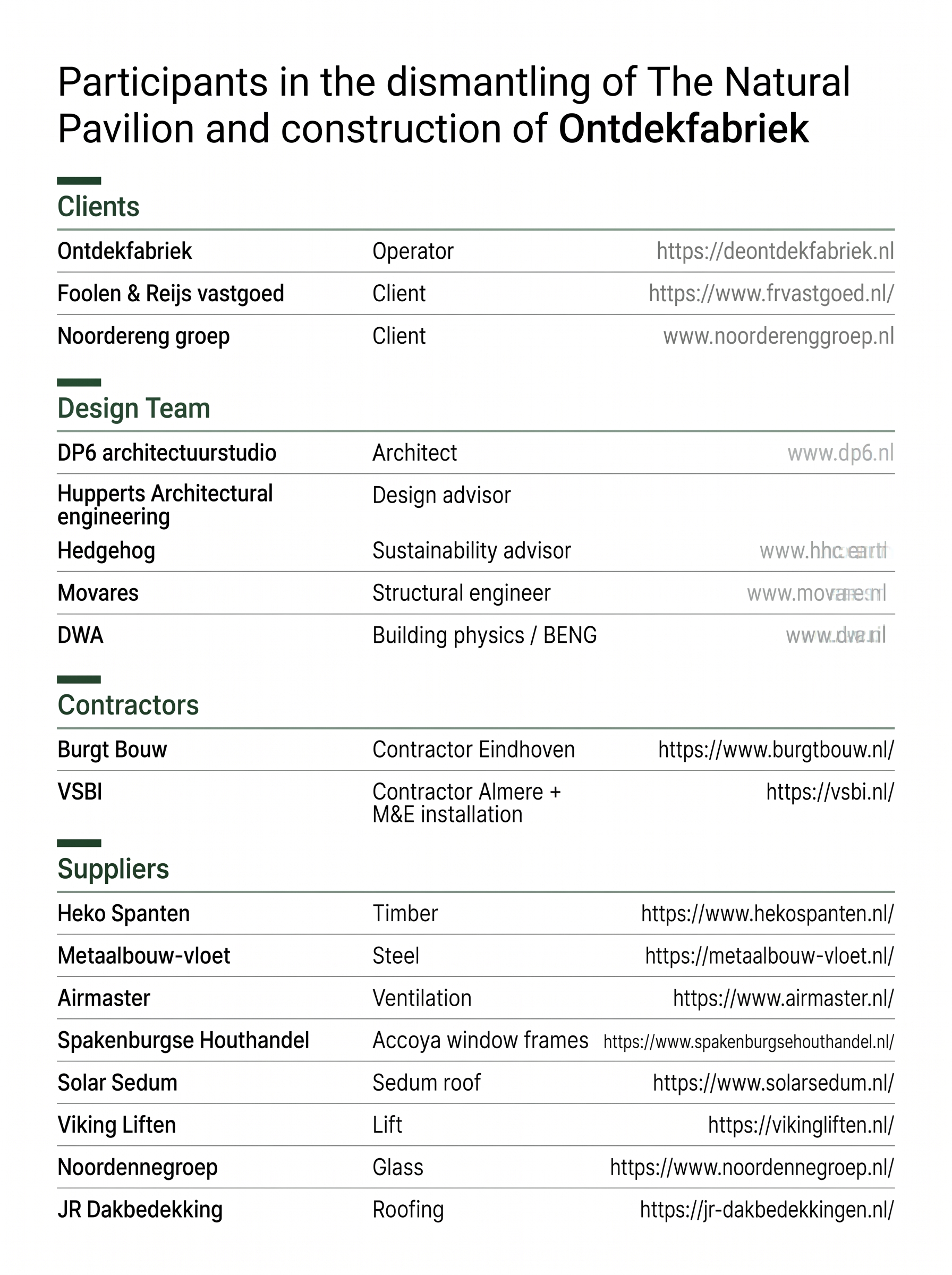
Hedgehog as sustainability advisor
During the realisation of The Natural Pavilion in 2022, Hedgehog acted as sustainability advisor within the winning consortium led by De Noordereng Groep. Commissioned by the Central Government Real Estate Agency (Rijksvastgoedbedrijf), the building was designed for multiple lifecycles, allowing it to adapt to the major spatial and ecological challenges facing the Netherlands.
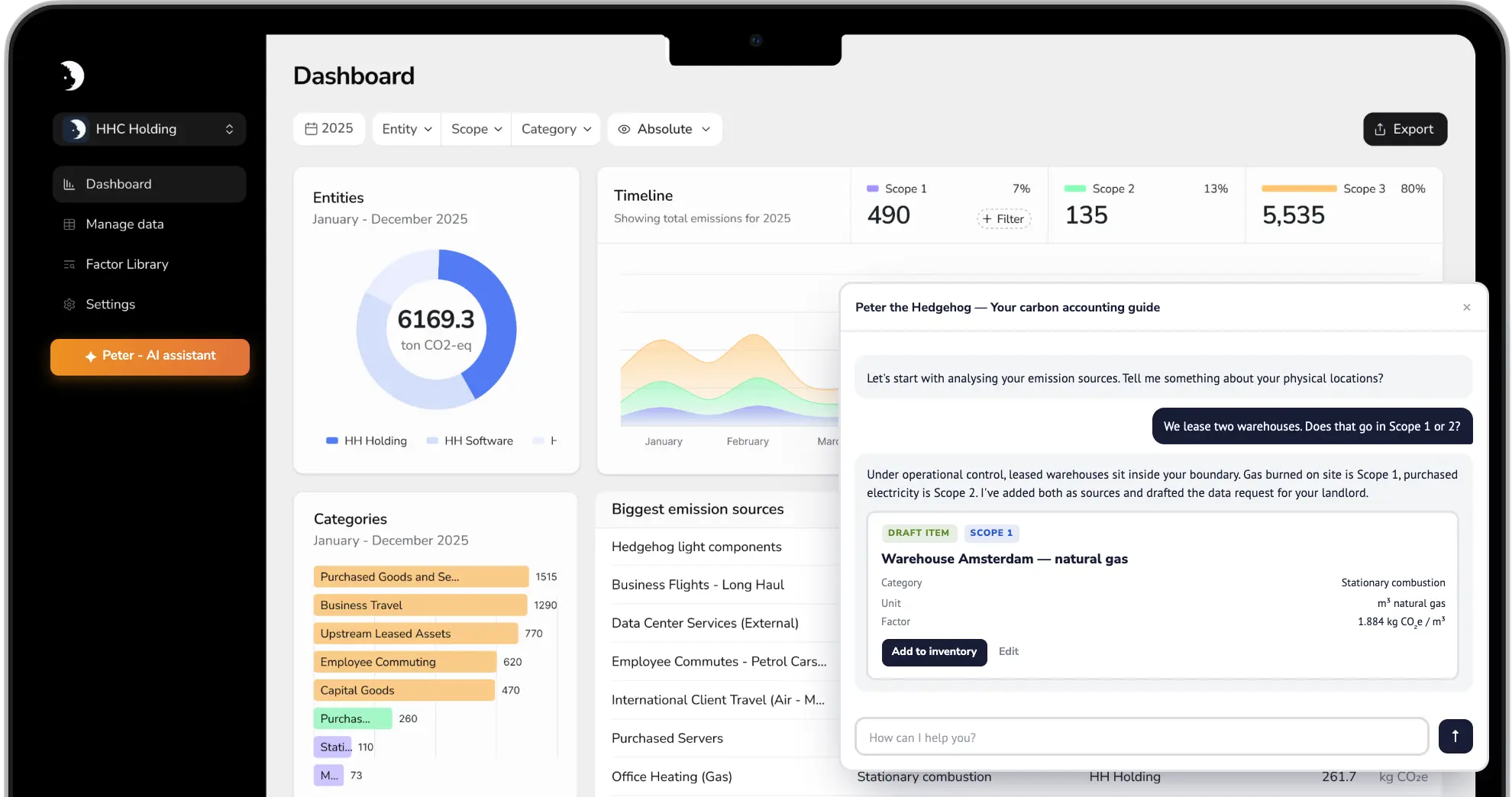
To safeguard this circular design, we made the building’s sustainability performance transparent and manageable. We calculated the environmental impact (including the carbon footprint) of all bio-based and circular building materials used.
We also collaborated on linking the design to a parametric Environmental Impact Monitor (Milieu Effect Monitor). This made the environmental consequences of structural design choices immediately visible during the design phase.
Furthermore, we advised on design, production, and future reuse to ensure that the building—constructed using the modular HoutKern™ method—would genuinely be circular and demountable in practice.
Thanks to this integrated approach and the use of 95% bio-based materials, the pavilion achieved an exceptionally low Environmental Performance of Buildings (MPG) score of under 0.25 at the time. Now, that promise of a second life is truly being fulfilled.
From temporary pavilion to permanent learning environment
In Eindhoven, the pavilion will soon become the new home of Ontdekfabriek 2.0, a place where children discover science, engineering, and innovation through play. This purpose aligns seamlessly with its immediate surroundings: the futuristic Evoluon (now home to the Next Nature Museum), a venue dedicated to the relationship between humanity, nature, and technology.
The feasibility of this relocation is embedded in the DNA of the design. The load-bearing structure consists of a modular shell made of demountable beams of locally sourced timber, connected via a universal steel node.
Within this framework, bio-based and reused elements—such as timber floors and bio-based partition walls—can be flexibly deployed. This allows the building to be effortlessly adapted to meet new standards for acoustics and fire safety.
Moreover, reuse has been secured at the component level: the exact destination in Eindhoven has been predetermined for every building component from Almere, and the vast majority of the load-bearing structure, floors, and facade elements are being reused directly.
Smart adaptations for year-round use
While the three-storey layout with a central atrium remains intact, the new function requires several targeted modifications. For instance, a catering area will be installed near the entrance in the space previously occupied by one of the integrated indoor gardens. Additionally, certain facade elements will be closed off to limit overheating in the summer, while others will be opened up.
The building services engineering has also been redesigned. At the Floriade, the pavilion was only open during spring and summer, whereas the Ontdekfabriek operates year-round. Rather than a heavy, centralised air-handling system, decentralised air units with integrated heat pumps have been chosen. This saves on ductwork, reduces the load on the roof, and ensures the building remains easy to dismantle in the future.
A meticulous logistical puzzle
Relocating a building requires tight coordination. All building components have been inventoried and numbered in advance. While the smaller modules can be transported whole by lorry, the larger elements are first dismantled further to remain within road transport limits.
Preparations for the relocation are now in full swing, and the environmental permit has been granted. The building is expected to be handed over in spring 2027 (March/April), after which the interior fit-out of the new Ontdekfabriek can begin.