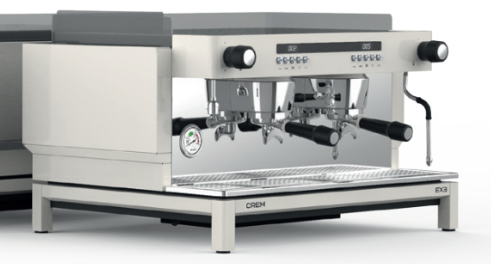
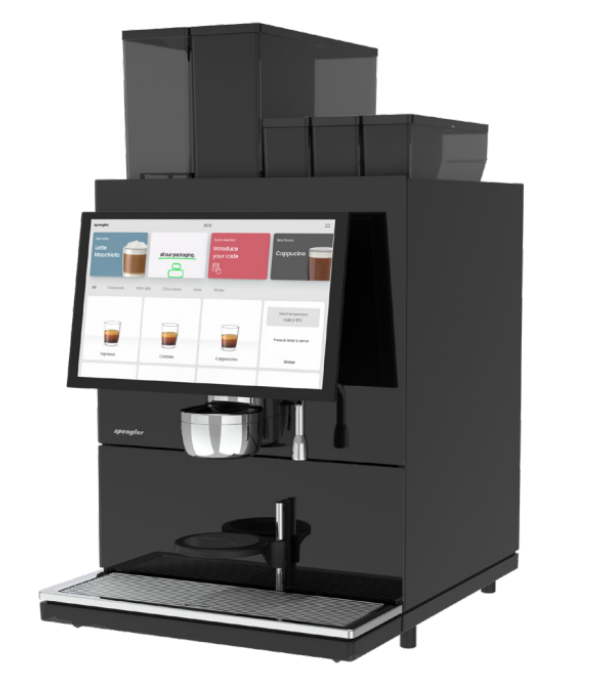
For our latest client case, Saro and Chiara teamed up with the expert of CREM to understand the environmental footprint of professional coffee machines. Together, they conducted a comprehensive "cradle-to-grave" Life Cycle Assessment (LCA) for two of their espresso machines: the EX3 2GR and the SP Line.
The goal of this project was to understand the impact of these machines over their entire seven-year service life, starting from the extraction of raw materials all the way to their final disposal. By focusing the analysis on the delivery of a single cup of beverage, Saro and Chiara were able to calculate a precise annual impact of their machines.
The use-phase
What the analysis clearly showed is that the true environmental story of a coffee machine is told during its "use phase." While manufacturing matters, the electricity required to keep the machines running, along with regular cleaning and maintenance, represents the largest share of emissions. Naturally, the footprint is closely tied to volume; the more coffee a machine serves, the higher the energy demand. This makes energy efficiency the most powerful lever for reducing the impact of every cup poured.
The machine
When Saro and Chiara looked closer at the physical components of the machines, there were two types of components that stood out. On one hand, components like electronics and hard plastics like PTFE are present in relatively small quantities but carry a relatively high emission factor. On the other hand, metals make up the heaviest part of the machine; while they have a lower impact per kilogram, their sheer weight makes them a significant factor in the overall footprint.
Strategy
This hotspot analysis allowed us to provide CREM with a clear strategy for the future. By prioritizing suppliers who use recycled content, seeking opportunities to reduce the weight of components, and continuing to innovate with energy-saving features like boiler insulation and energy saving-modes, CREM can continue to lead the way in sustainable coffee hardware.
For CREM, this LCA is not a final destination but part of a broader, ongoing commitment to more sustainable design and production principles. It marks the transition where data-driven insights from this assessment are now permanently embedded in technical and design innovation.
Working on these projects was a fantastic experience for the Hedgehog team. Saro and Chiara found the collaboration with the CREM team to be seamless and inspiring, and it was a particular highlight for them to meet them during Host Milano, the largest coffee fair in the world. It’s partnerships like these, built on data, transparency, and a shared passion for the planet (and coffee), that show how LCA can turn sustainability goals into tangible results.